RED SNOW(2025) & BLOOD ON MY HANDS(2026)
Check it out!
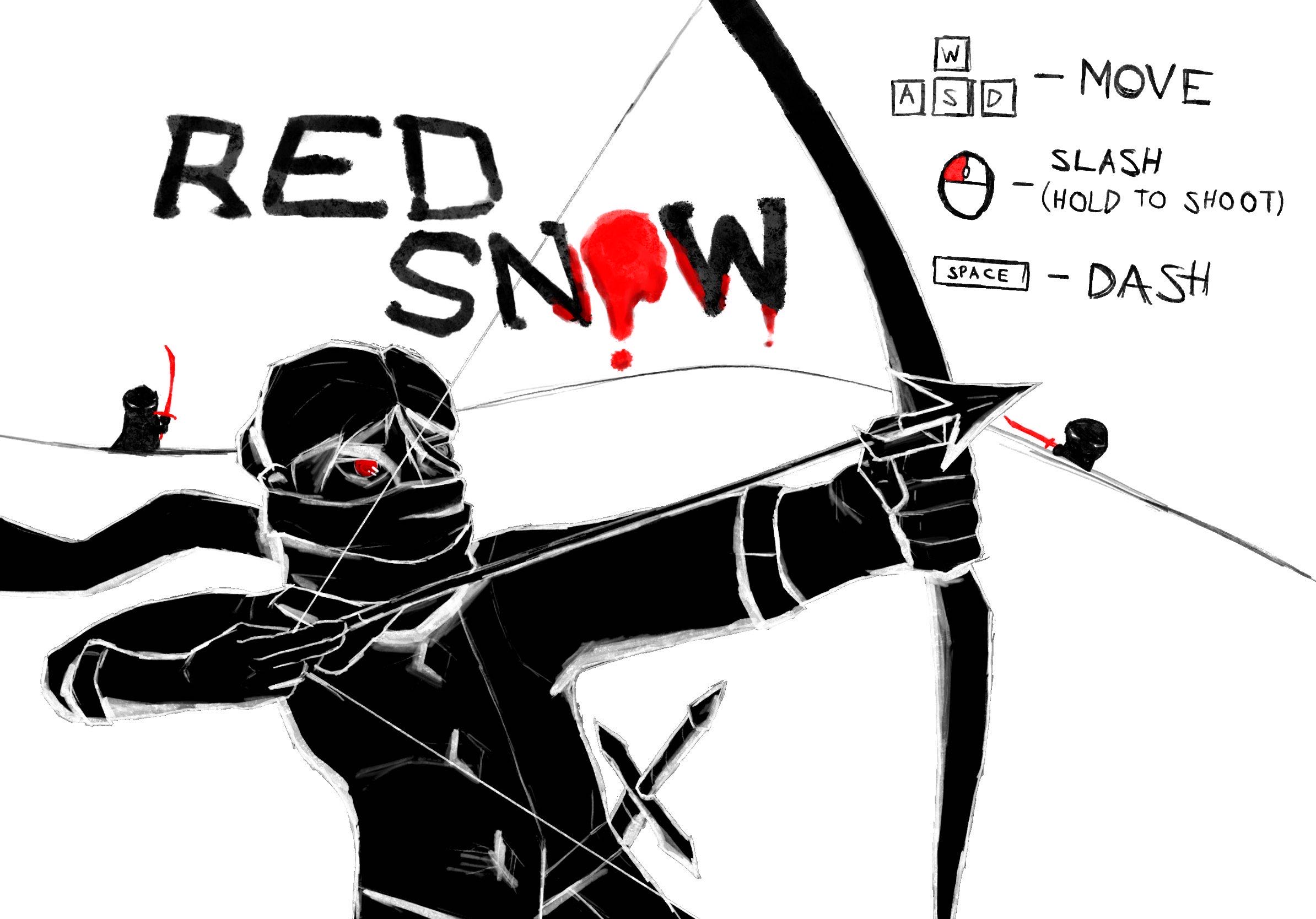 Early in my senior year, I had an assignment to make a game in GDevelop,
an accessible but guardrailed software with an intuitive language intended for ease of use. While
I prefer to work in a software of my own choosing, I embraced the challenge of this simplified medium
and put together a design for a top-down survival shooter with a more dark-fantasy tone than the lasers
and bullets typical to this genre.
Early in my senior year, I had an assignment to make a game in GDevelop,
an accessible but guardrailed software with an intuitive language intended for ease of use. While
I prefer to work in a software of my own choosing, I embraced the challenge of this simplified medium
and put together a design for a top-down survival shooter with a more dark-fantasy tone than the lasers
and bullets typical to this genre.
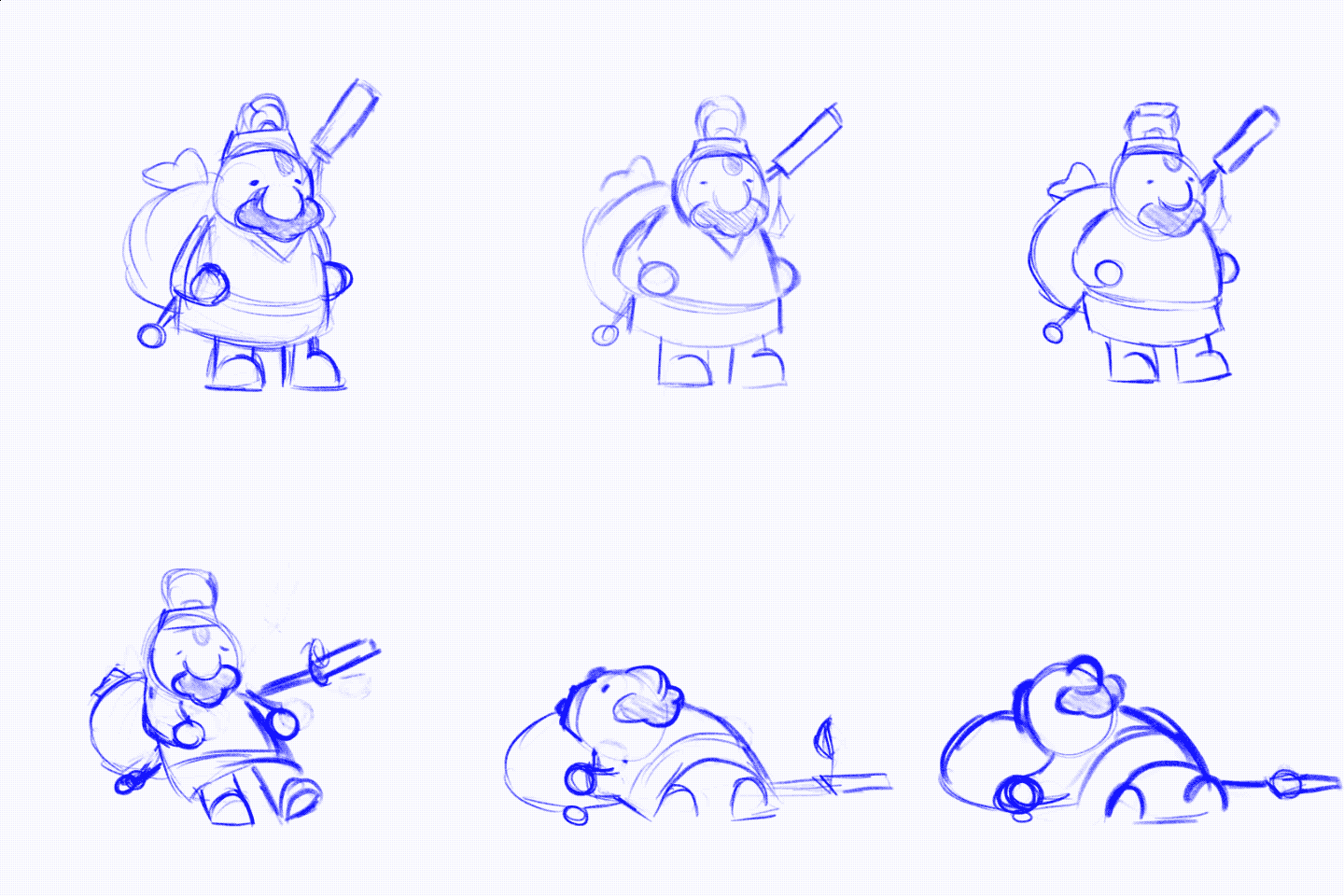
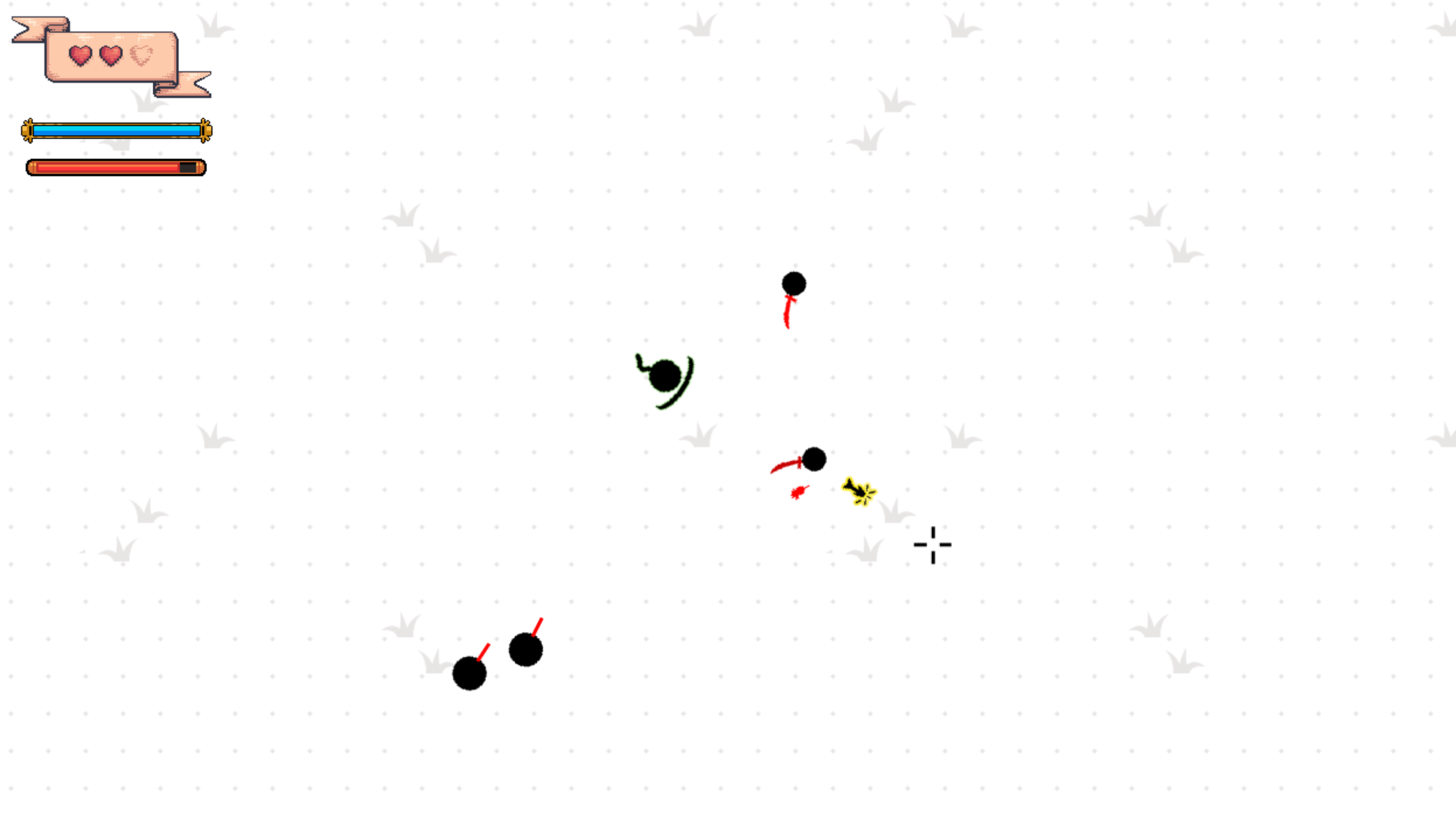 In the original concept, Red Snow was going to be a game that takes the razor’s edge
gameplay of twin-stick shooters and amplifies it through use of health as a resource, but this was scrapped for time,
and the entire project was shelved as I grew tired of the restrictions in GDevelop’s structure. The concept
would return, however, when I happened upon an interesting prompt for a game jam: the game, whatever genre,
had to have a timer featured in its design.
In the original concept, Red Snow was going to be a game that takes the razor’s edge
gameplay of twin-stick shooters and amplifies it through use of health as a resource, but this was scrapped for time,
and the entire project was shelved as I grew tired of the restrictions in GDevelop’s structure. The concept
would return, however, when I happened upon an interesting prompt for a game jam: the game, whatever genre,
had to have a timer featured in its design.
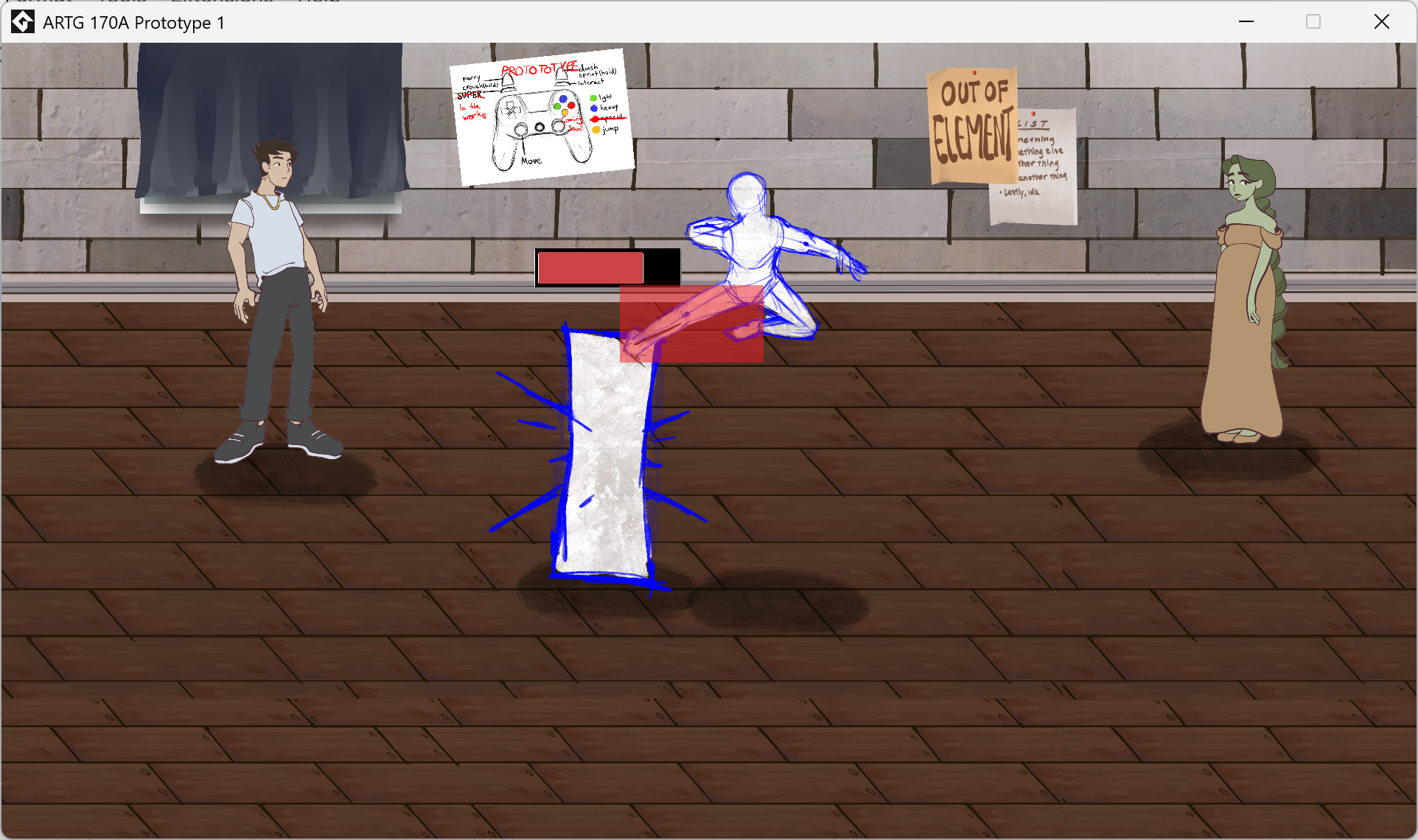
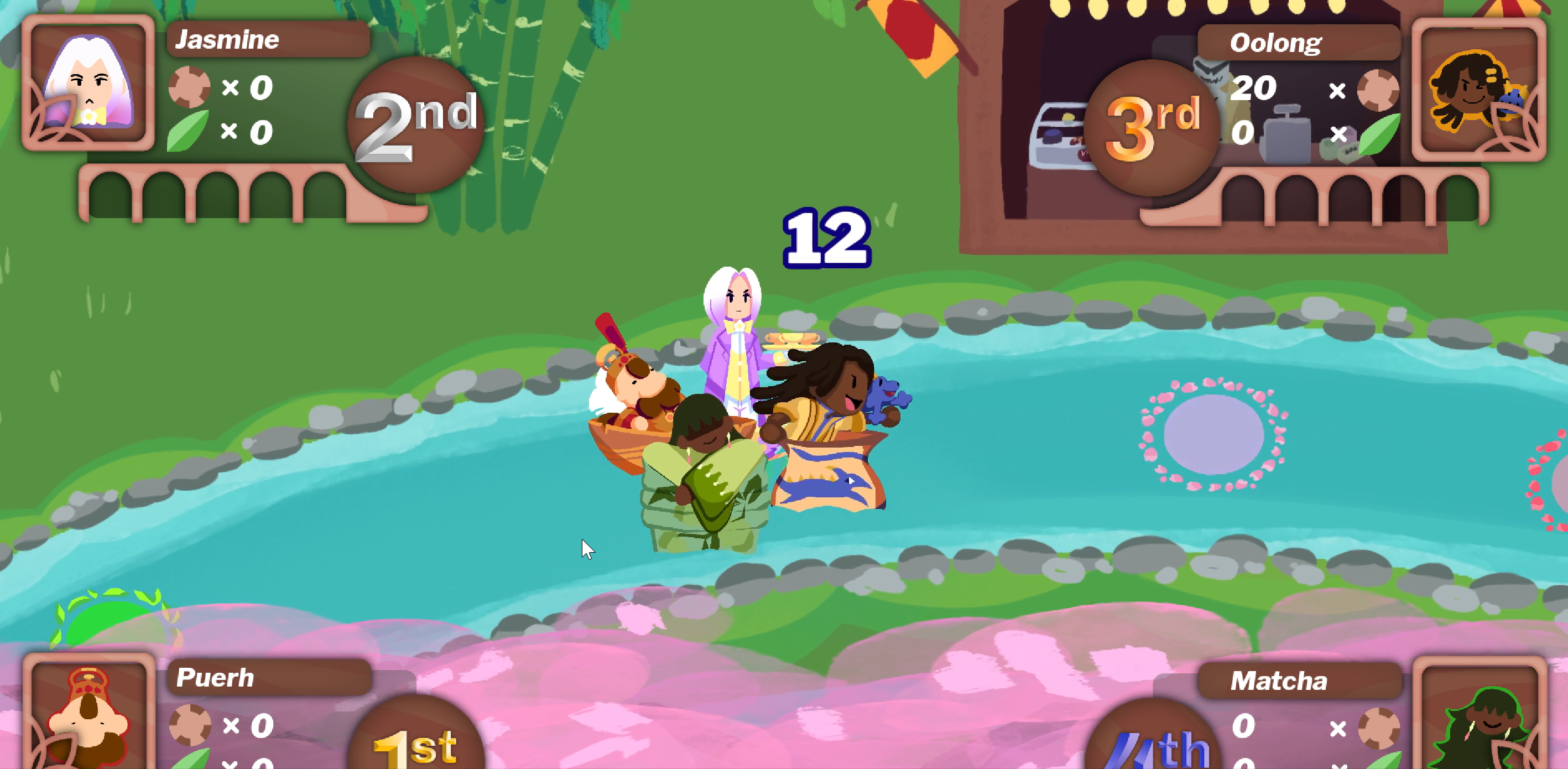
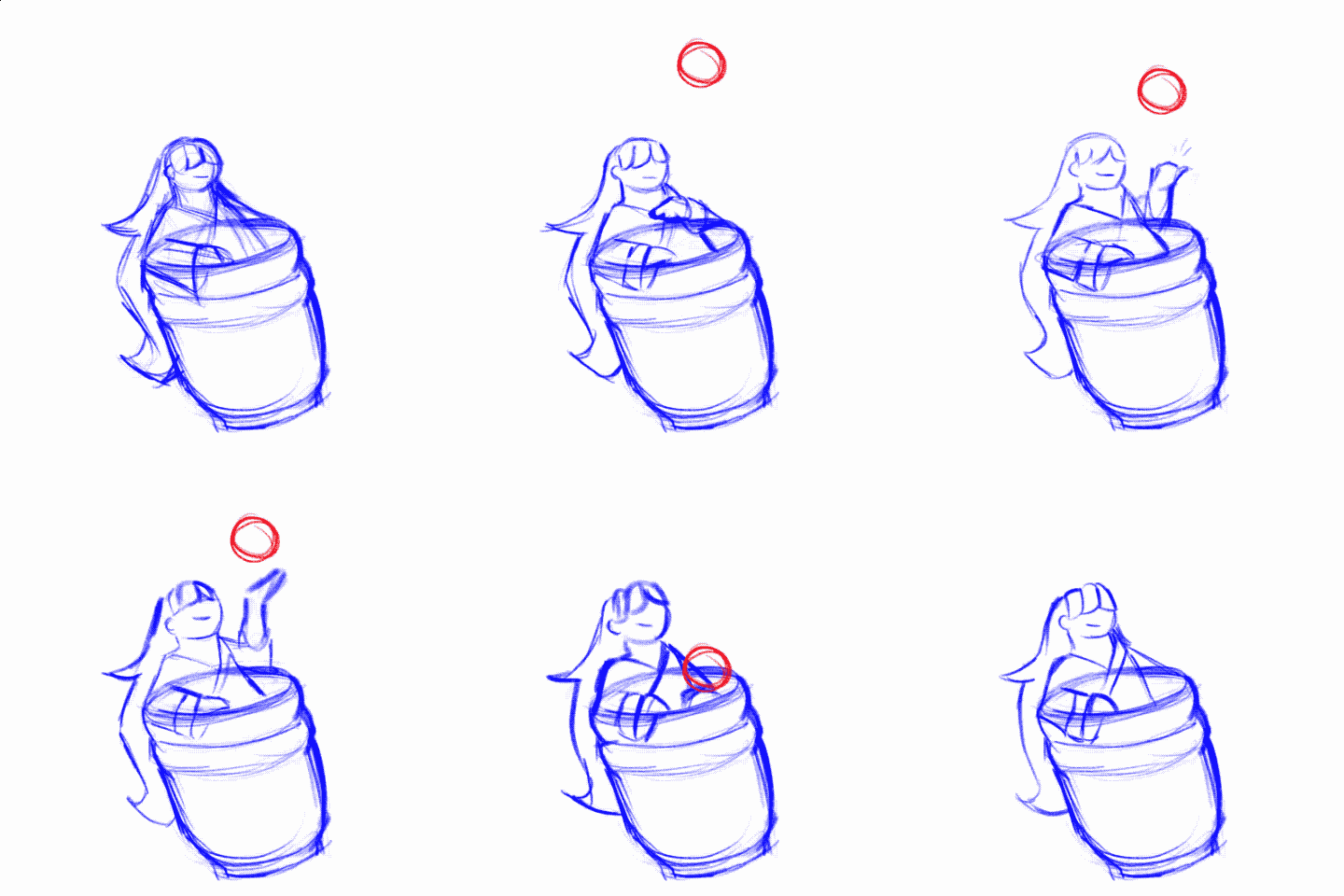
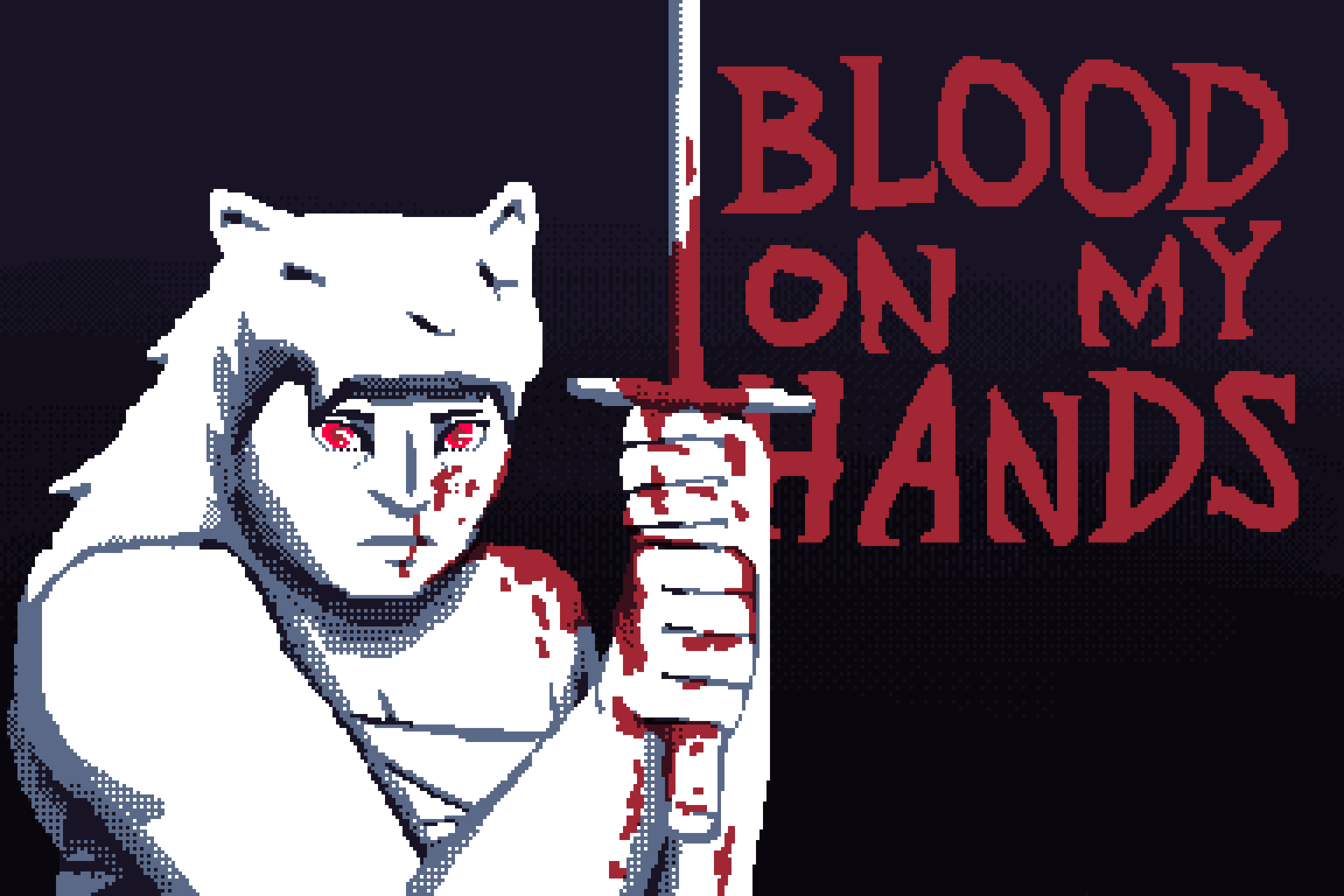 Blood On My Hands has all of the same mechanics as Red Snow, but with
new art, new enemies, a new engine, and most importantly, a giant clock in the middle
of the battlefield. If you run out of time, you die, and you have one hit point, so every
minute choice you make is a fight for your life. Can you defeat The Goddess of Futures
and save the world from oblivion?
Blood On My Hands has all of the same mechanics as Red Snow, but with
new art, new enemies, a new engine, and most importantly, a giant clock in the middle
of the battlefield. If you run out of time, you die, and you have one hit point, so every
minute choice you make is a fight for your life. Can you defeat The Goddess of Futures
and save the world from oblivion?
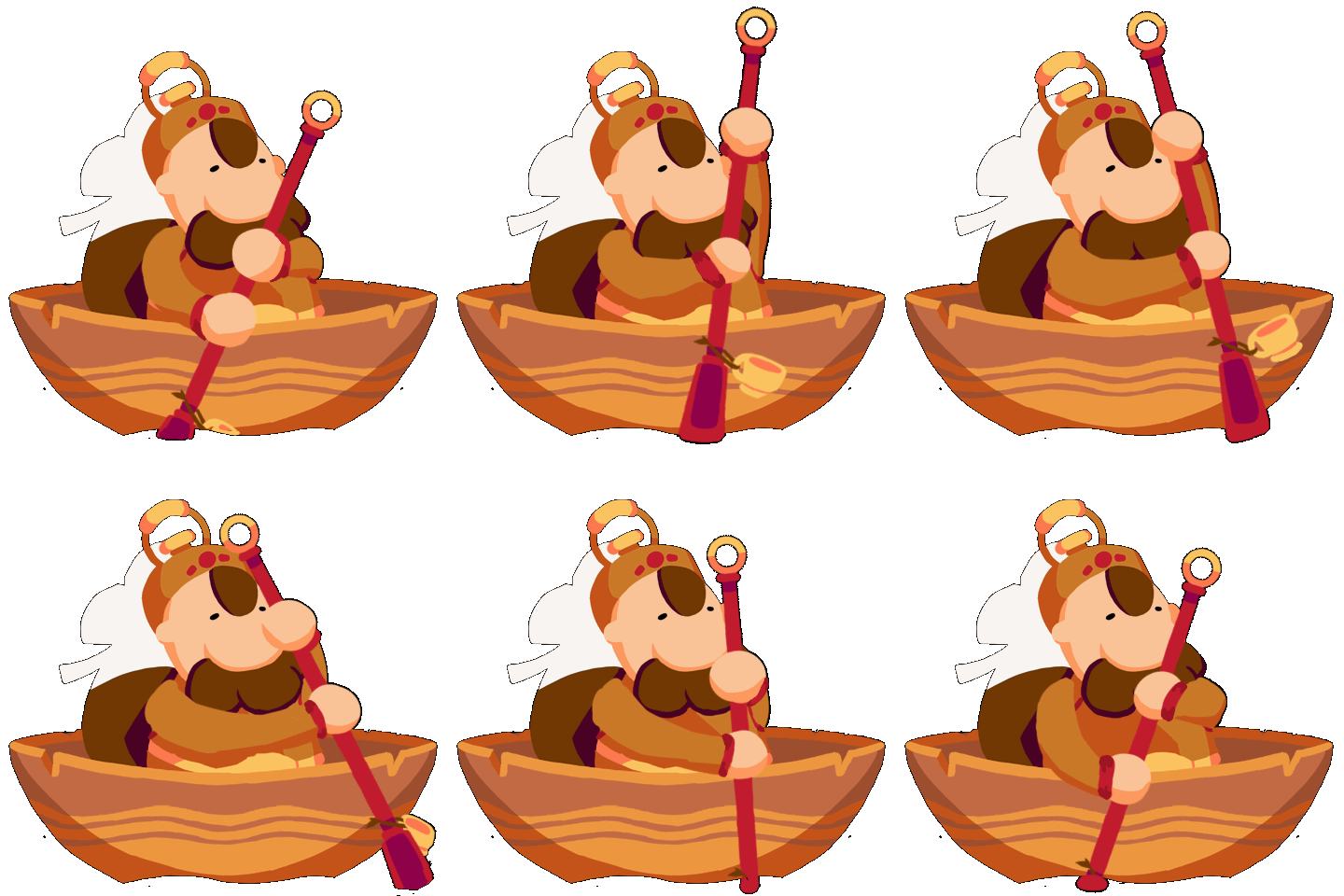
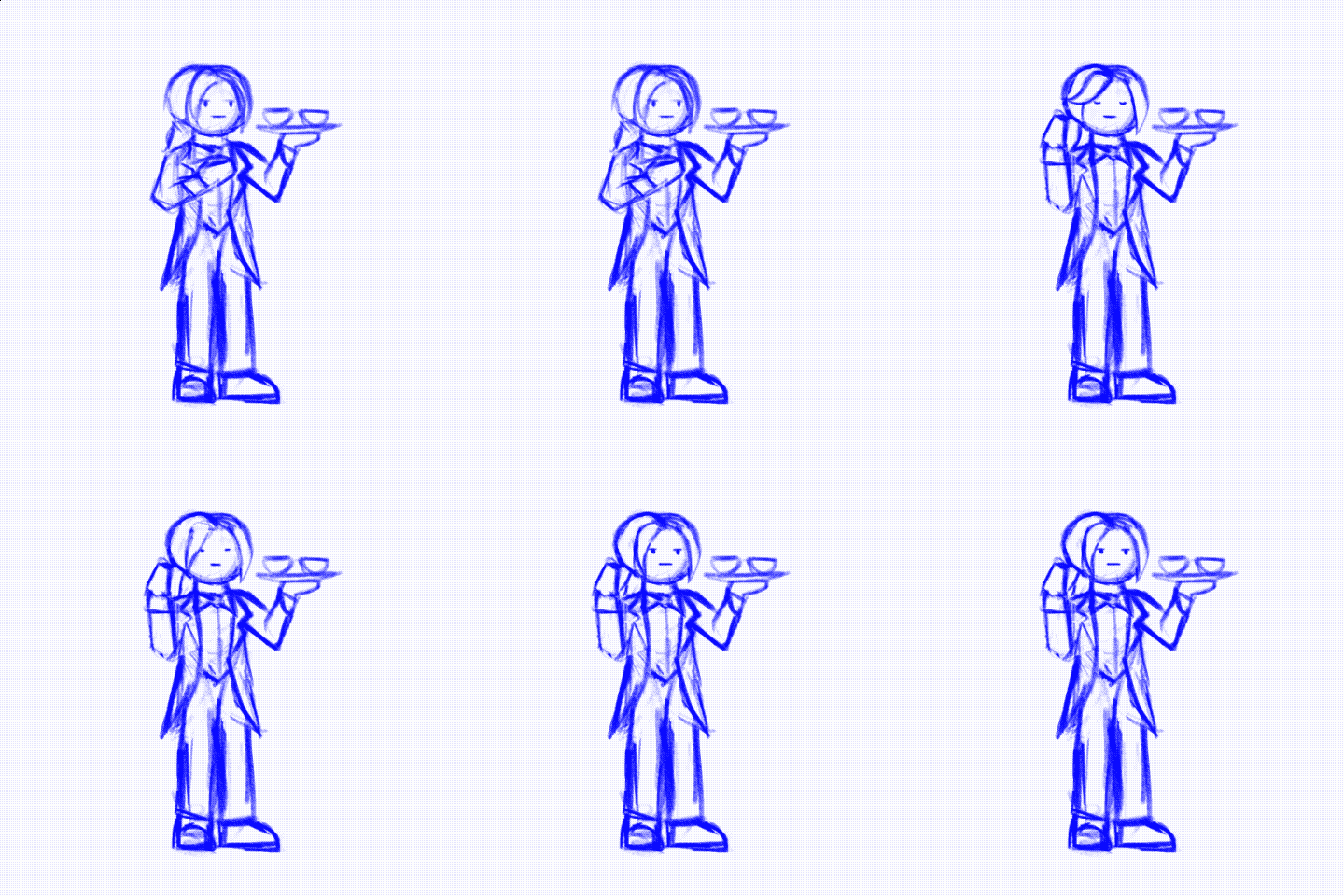
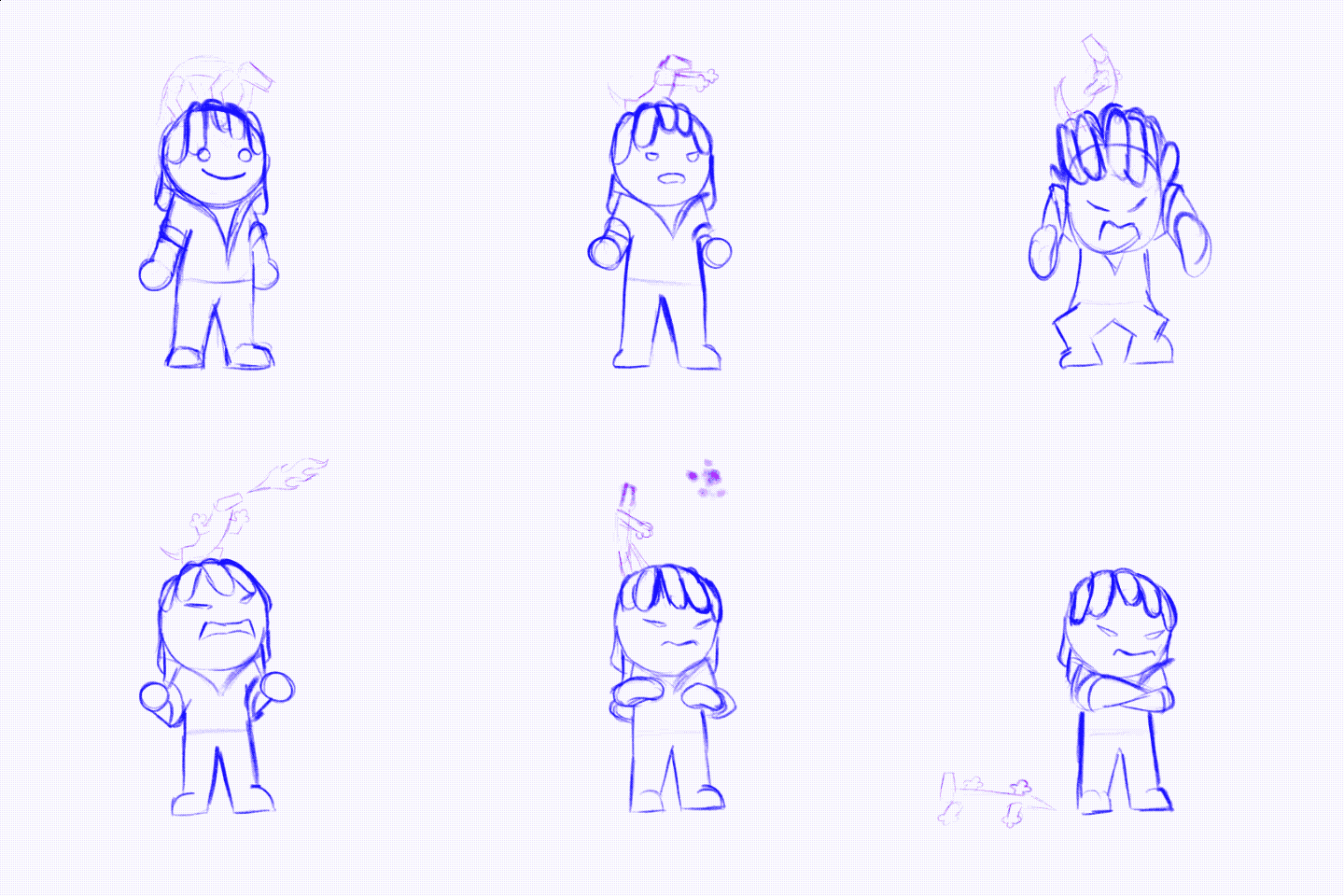
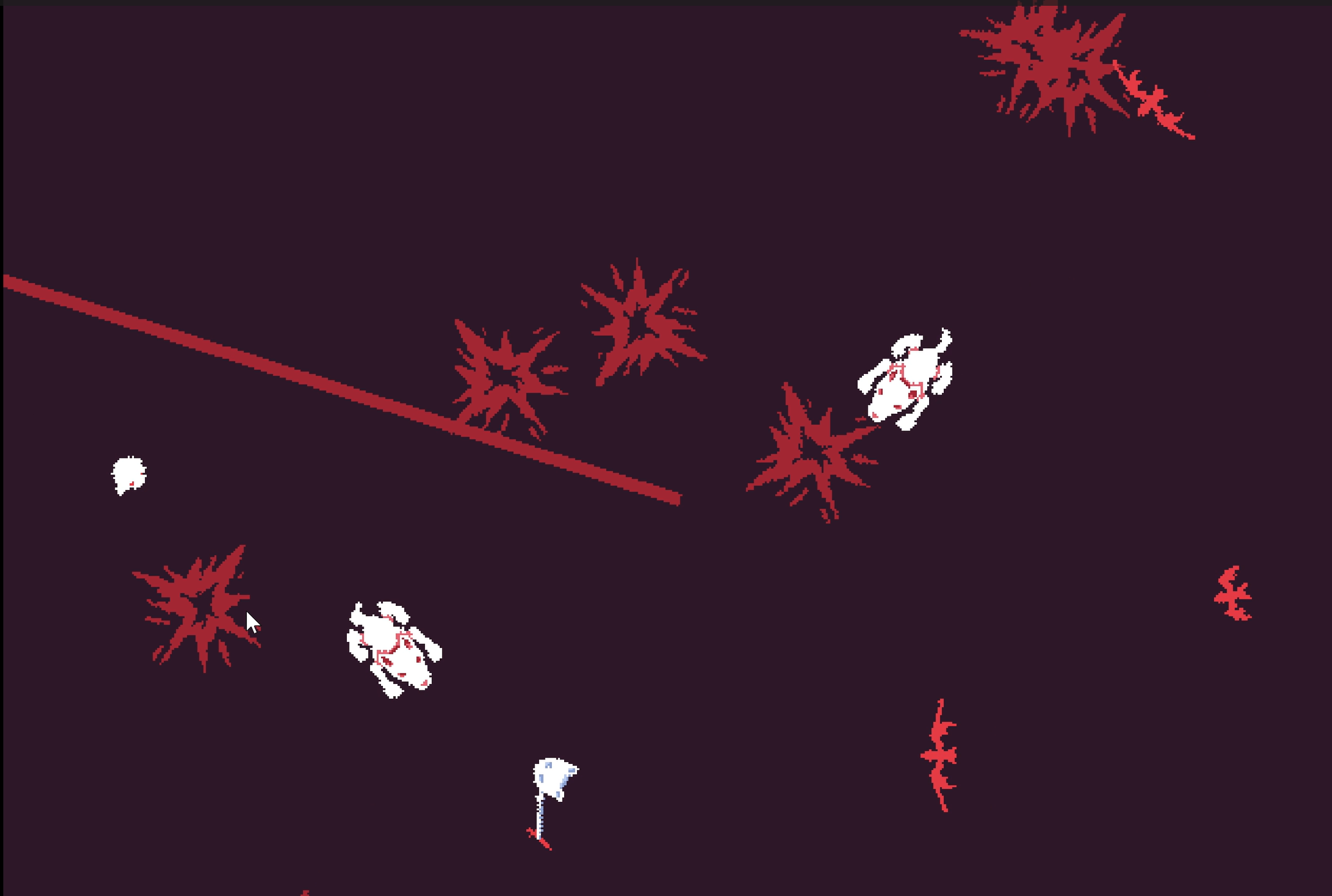 These games were my first delve into pixel art, and I
love how surprisingly different it is from other digital art. There’s a stronger
focus on shapes over lines, and color is an essential aspect to making everything
feel alive. It’s also delightfully fast, so I could develop Blood On My Hands on
the side while still working on the rest of my classes and see steady progress
over mere months. In terms of design, these games are a form of experimentalism
I love returning to when I’m brainstorming. Taking a well-worn genre and
testing the limits of mechanics we typically take for granted makes for a lens that is
at once fresh and unexpected while still being easy to extrapolate. Time, Health,
and Damage can grow from boxes to tick off to linchpins of your game’s unique
structure with just a bit of thinking outside the box.
These games were my first delve into pixel art, and I
love how surprisingly different it is from other digital art. There’s a stronger
focus on shapes over lines, and color is an essential aspect to making everything
feel alive. It’s also delightfully fast, so I could develop Blood On My Hands on
the side while still working on the rest of my classes and see steady progress
over mere months. In terms of design, these games are a form of experimentalism
I love returning to when I’m brainstorming. Taking a well-worn genre and
testing the limits of mechanics we typically take for granted makes for a lens that is
at once fresh and unexpected while still being easy to extrapolate. Time, Health,
and Damage can grow from boxes to tick off to linchpins of your game’s unique
structure with just a bit of thinking outside the box.
Early in my senior year, I had an assignment to make a game in GDevelop,
an accessible but guardrailed software with an intuitive language intended for ease of use. While
I prefer to work in a software of my own choosing, I embraced the challenge of this simplified medium
and put together a design for a top-down survival shooter with a more dark-fantasy tone than the lasers
and bullets typical to this genre.
In the original concept, Red Snow was going to be a game that takes the razor’s edge
gameplay of twin-stick shooters and amplifies it through use of health as a resource, but this was scrapped for time,
and the entire project was shelved as I grew tired of the restrictions in GDevelop’s structure. The concept
would return, however, when I happened upon an interesting prompt for a game jam: the game, whatever genre,
had to have a timer featured in its design.
Blood On My Hands has all of the same mechanics as Red Snow, but with
new art, new enemies, a new engine, and most importantly, a giant clock in the middle
of the battlefield. If you run out of time, you die, and you have one hit point, so every
minute choice you make is a fight for your life. Can you defeat The Goddess of Futures
and save the world from oblivion?
These games were my first delve into pixel art, and I
love how surprisingly different it is from other digital art. There’s a stronger
focus on shapes over lines, and color is an essential aspect to making everything
feel alive. It’s also delightfully fast, so I could develop Blood On My Hands on
the side while still working on the rest of my classes and see steady progress
over mere months. In terms of design, these games are a form of experimentalism
I love returning to when I’m brainstorming. Taking a well-worn genre and
testing the limits of mechanics we typically take for granted makes for a lens that is
at once fresh and unexpected while still being easy to extrapolate. Time, Health,
and Damage can grow from boxes to tick off to linchpins of your game’s unique
structure with just a bit of thinking outside the box.